.svg)
Research


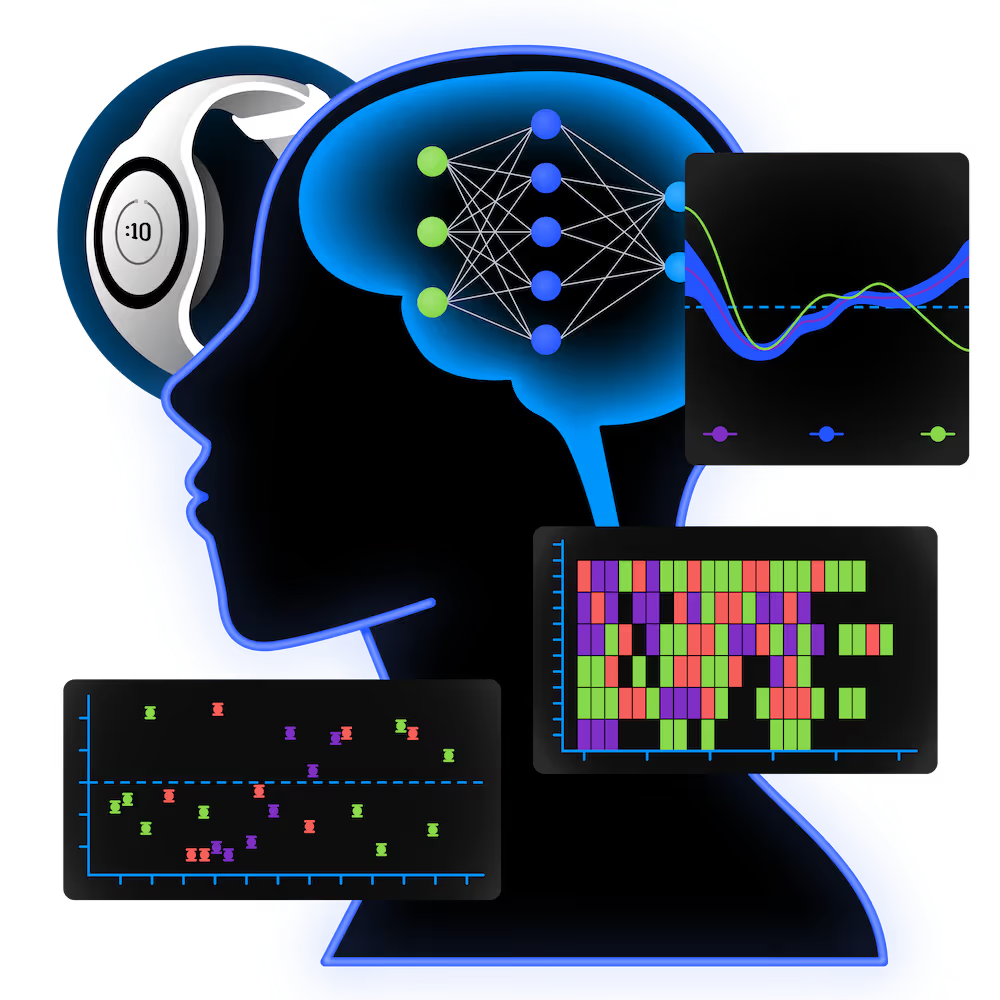
We seek to understand why migraine affects people so differently — and why treatments that work well for one person may not work for another.
Our research focuses on how each individual’s biology, stress response systems, and medical history influence both migraine symptoms and treatment outcomes.
By combining detailed clinical information with measurements of the body’s major stress and regulation systems — including the autonomic nervous system (ANS), hypothalamic-pituitary-adrenal (HPA) axis, and immune system — we aim to identify biologically distinct migraine subtypes and better understand the mechanisms driving migraine disease.
Our work integrates clinical phenotyping, biomarkers, wearable technology, and neuroscience to move beyond a “one-size-fits-all” approach to migraine care. Ultimately, our goal is to advance precision medicine approaches that help match each person with the treatments most likely to be effective based on their unique physiology, nervous system functioning, and brain circuitry.
How do disruptions in the body’s stress systems contribute to symptoms that make chronic migraine so disabling?
Migraine is far more than just headache pain. Many people living with migraine also experience gastrointestinal symptoms, fatigue, sleep disturbance, brain fog, dizziness, sensory hypersensitivity, anxiety, and mood changes. A major focus of our research is understanding how the body’s stress-response systems — including the “fight or flight” response — may contribute not only to migraine pain, but also to the persistence and worsening of these broader symptoms over time.
By studying the interactions between the nervous system, stress physiology, sleep, mood, and pain, we hope to better understand why chronic migraine affects people so differently and why symptoms often extend beyond headache alone.
Our goal is to translate these discoveries into more effective, whole-person migraine care — improving not only headache frequency and severity, but also quality of life, cognitive functioning, sleep, and emotional well-being for people living with migraine.
How can we better predict migraine attacks before they happen?
One of the most frustrating aspects of migraine is its unpredictability. Not knowing when an ttack will occur can disrupt work, family life, sleep, social activities, and treatment planning. Even highly effective newer migraine treatments — including calcitonin gene-related peptide (CGRP)-targeting medications such as gepants — are often limited in how frequently they can be used. As a result, patients and clinicians face difficult decisions about when to use medications most strategically.
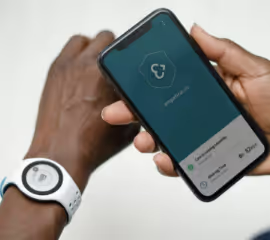
Our laboratory is developing personalized prediction models designed to identify early biological warning signs that a migraine attack may be approaching. Using wrist-worn wearable devices, we collect information about sleep patterns, heart rate, stress physiology, and autonomic nervous system activity during the night. We then apply advanced machine-learning approaches to identify each individual’s unique “pre-migraine” physiological signature.
Our goal is to provide people living with migraine with a same-morning estimate of their likelihood of experiencing a migraine attack later that day. With better prediction tools, individuals may be able to use medications more strategically, adjust daily activities, improve pacing and self-care, or implement targeted behavioral interventions before symptoms fully escalate.
Ultimately, this work aims to move migraine care from reactive treatment toward more proactive, personalized, and preventive care.
Can advanced brain imaging help us apply new neuromodulation techniques to treat migraine?
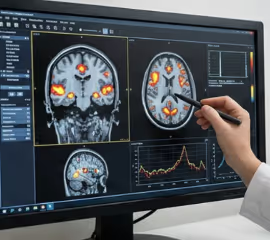
In collaboration with researchers at the Friedman Brain Institute, we are using advanced brain imaging to study how the brain and blood vessels that supply the brain of people living with migraine may differ from those without migraine. We hope this research advances the development of new treatment approaches.
Our research has shown that people living with migraine can have measurable differences in brain structure and connectivity between regions involved in pain processing, sensory sensitivity, memory, emotion, and stress regulation. These include changes in brain networks involving areas such as the thalamus, cingulum, putamen, and parahippocampal regions.
By identifying brain networks that are altered in people living with migraine, we aim to apply innovative neuromodulation approaches including low-intensity focused ultrasound (LIFU). LIFU is a noninvasive technology designed to safely modulate brain circuit activity that is overactive in patients with migraine without surgery. By targeting specific brain networks involved in migraine and chronic pain, we hope to develop new treatment strategies that are more precise, personalized, and effective.
Tools & technologies
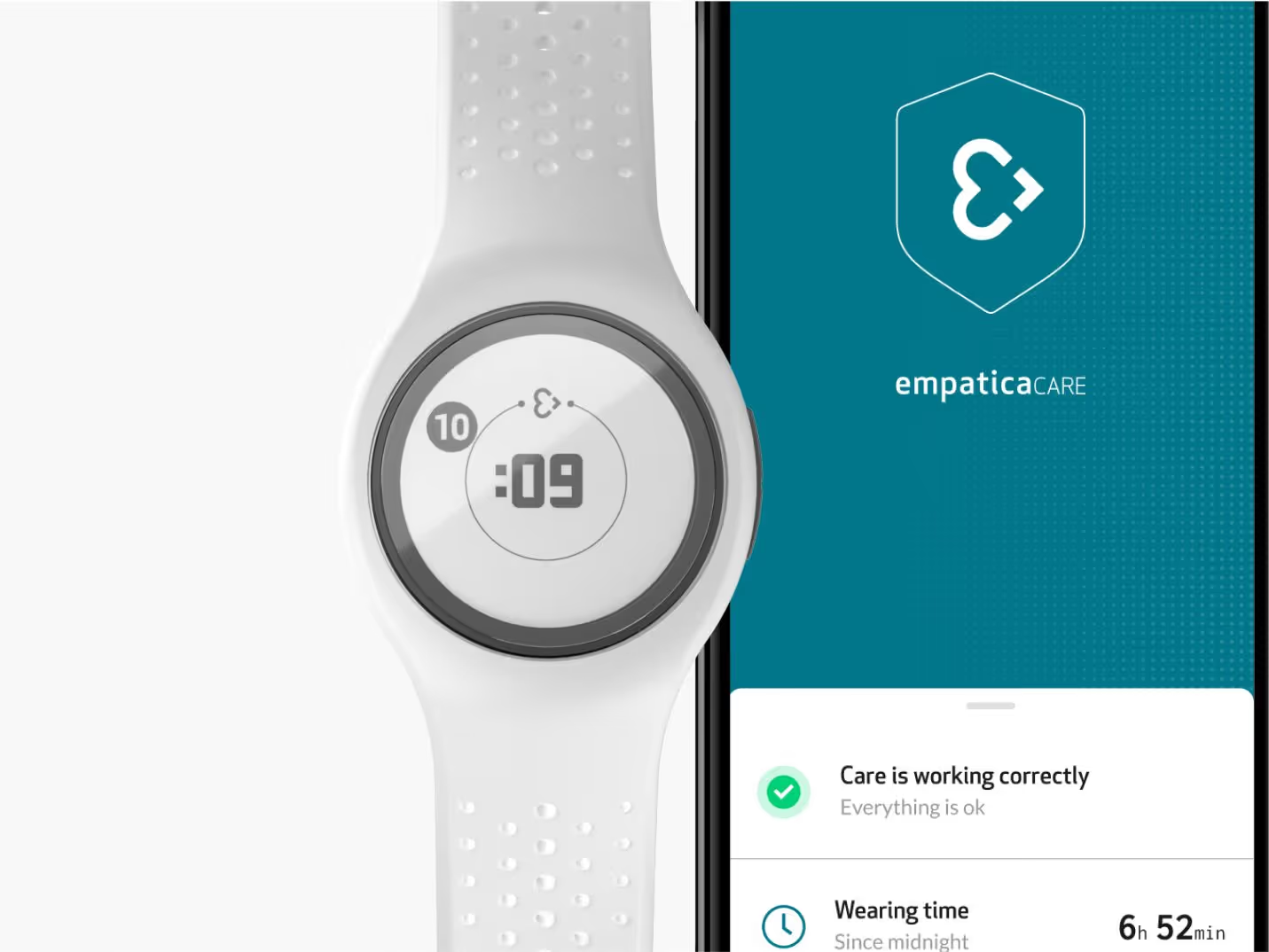
Wearable physiologic monitoring
We use wearable technologies to measure real-world physiologic signals such as heart rate, sleep patterns, stress responses, skin conductance, and autonomic nervous system activity. These tools allow us to study how the body changes before, during, and after migraine attacks in everyday life — helping move migraine care toward more proactive and personalized treatment approaches.
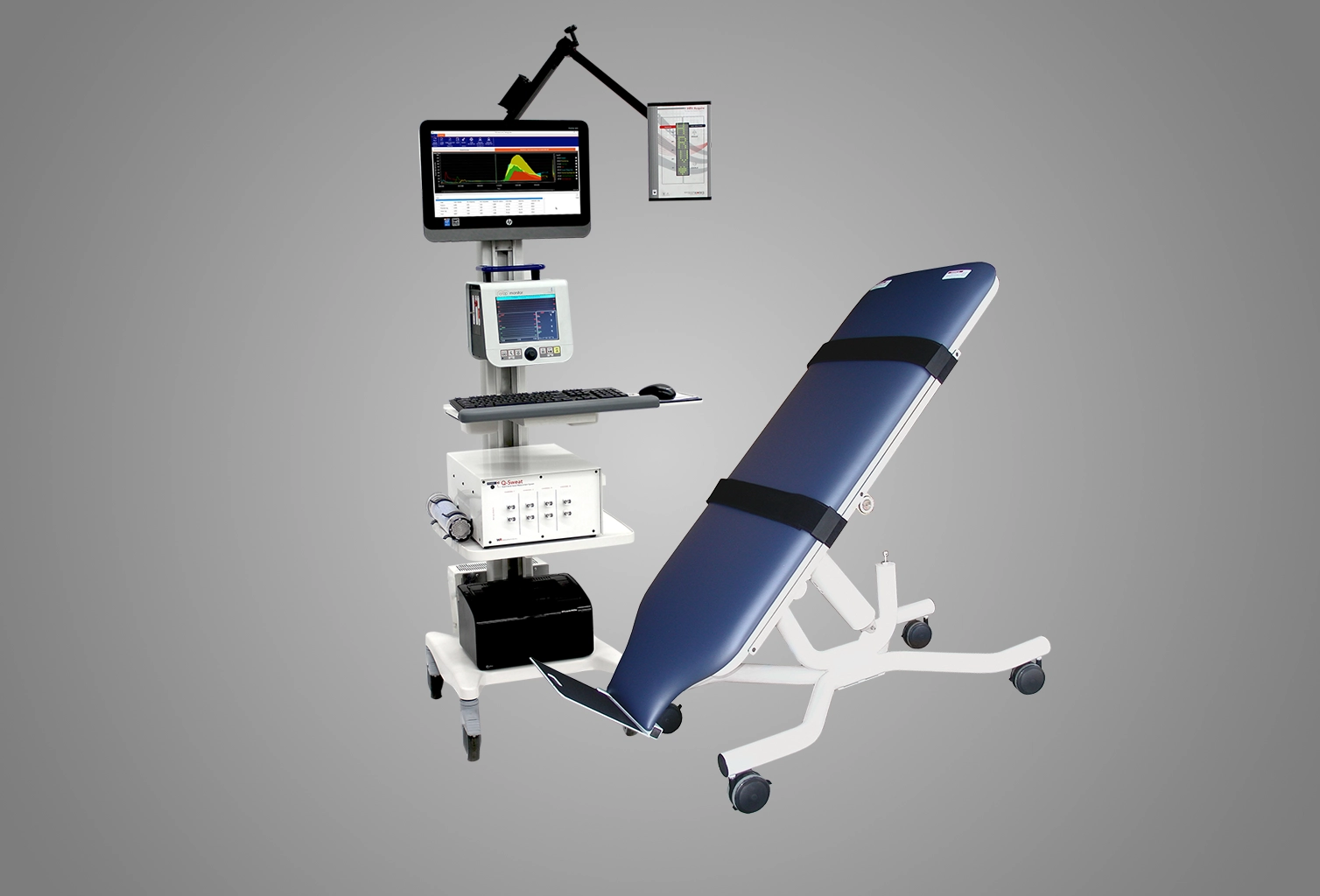
Autonomic Nervous System (ANS) testing
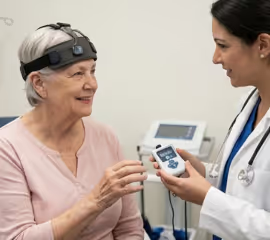
Our laboratory uses specialized autonomic testing to evaluate how the body regulates stress, blood pressure, heart rate, and other automatic functions. Because many people living with migraine experience symptoms such as dizziness, fatigue, sensory sensitivity, sleep disruption, and exercise intolerance, understanding autonomic nervous system function may help identify biologically distinct migraine subtypes and treatment targets.
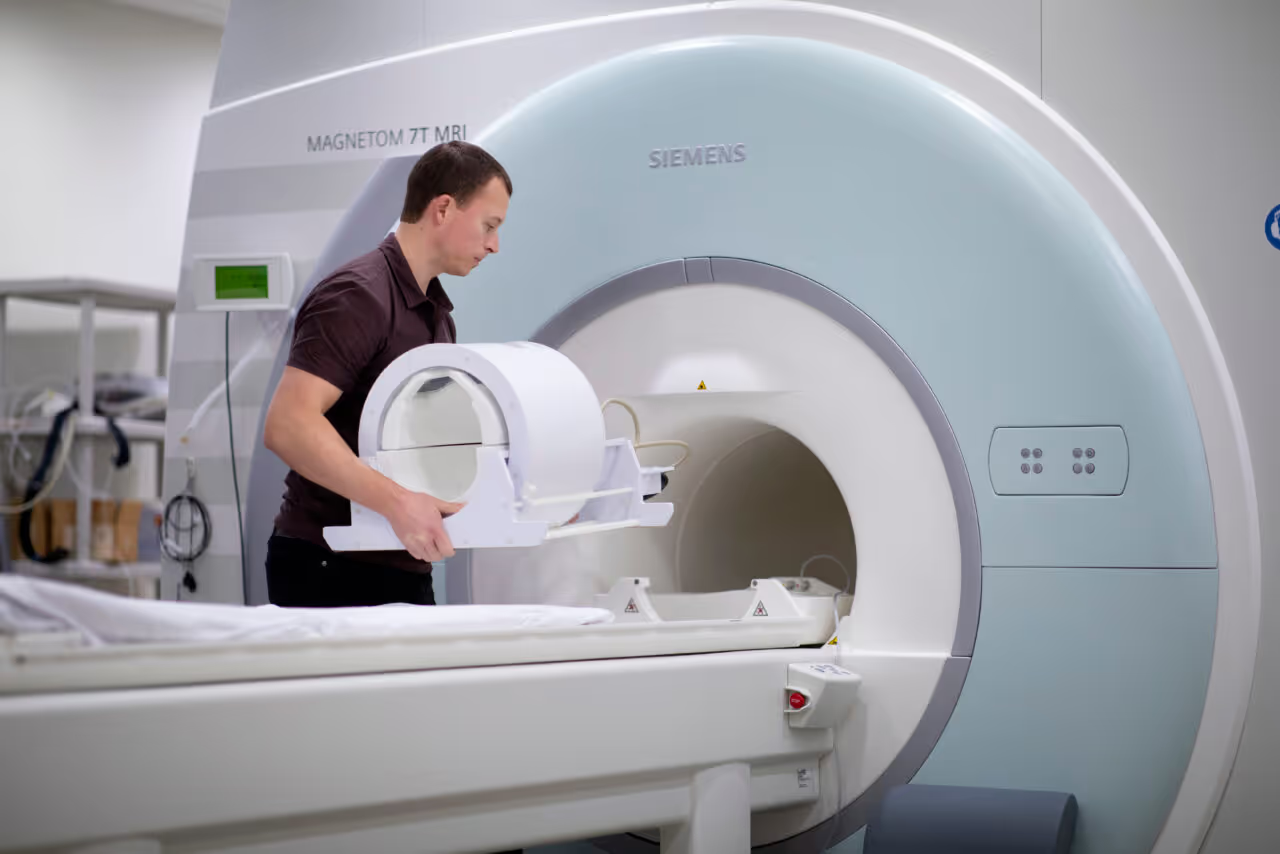
Advanced neuroimaging
We use advanced brain imaging techniques to study how migraine affects brain structure, communication between brain regions, and pain-processing networks. These approaches help us better understand the neural mechanisms underlying migraine, sensory hypersensitivity, cognition, mood, and chronic pain progression.
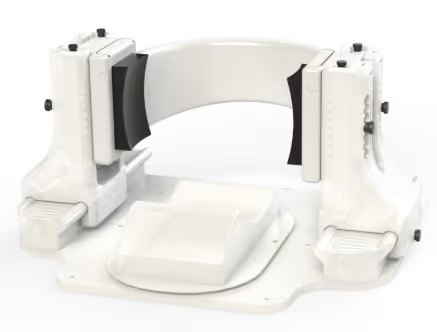
Neuromodulation technologies
Our team is exploring innovative neuromodulation approaches designed to safely influence brain circuit activity without surgery. These technologies may eventually provide new treatment options for people living with treatment-resistant migraine and chronic pain by targeting the neural networks involved in pain processing and sensory regulation.
Current funding